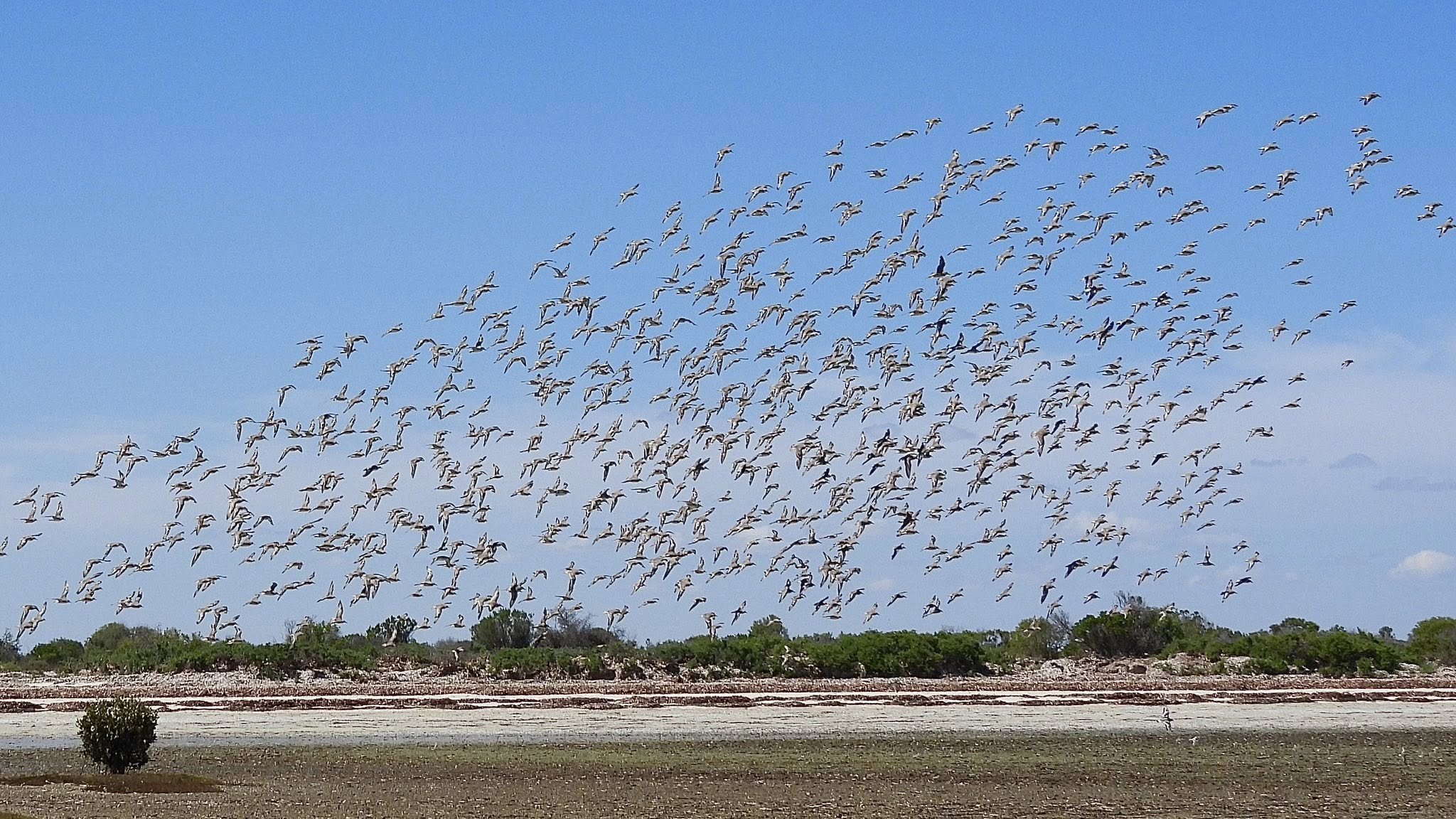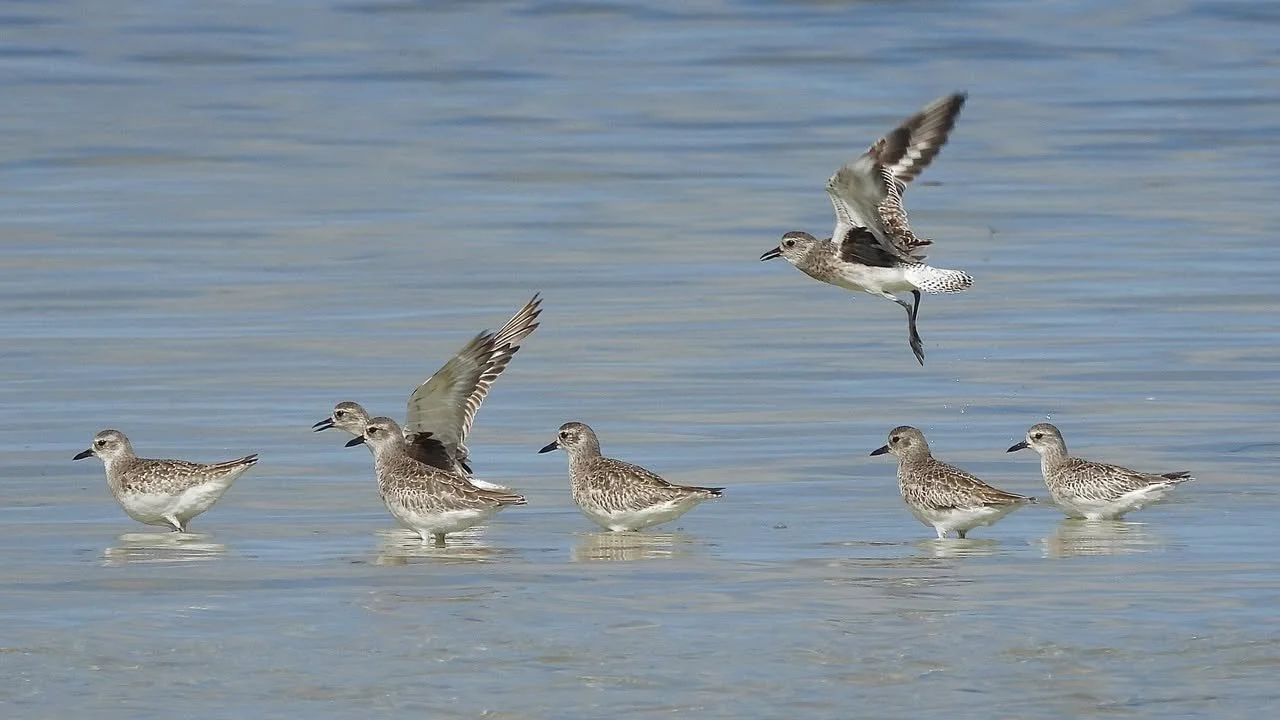
Protecting shorebirds. Caring for our coast.
Friends of Adelaide International Bird Sanctuary
FAIBS is a community of volunteers working to protect the birds and coastal habitats of the Adelaide International Bird Sanctuary National Park, Winaityinaityi Pangkara.
Every year, thousands of migratory shorebirds make the incredible journey from the Northern Hemisphere to our shores. Through conservation, monitoring, education and community action, we’re helping safeguard this globally significant habitat.
Everyone is welcome. Come and get involved.
FAIBS 10 YEAR CELEBRATIONS
-
FAIBS 10 YEAR CELEBRATIONS -
Adelaide International Bird Sanctuary Forum - 10 Years and Beyond
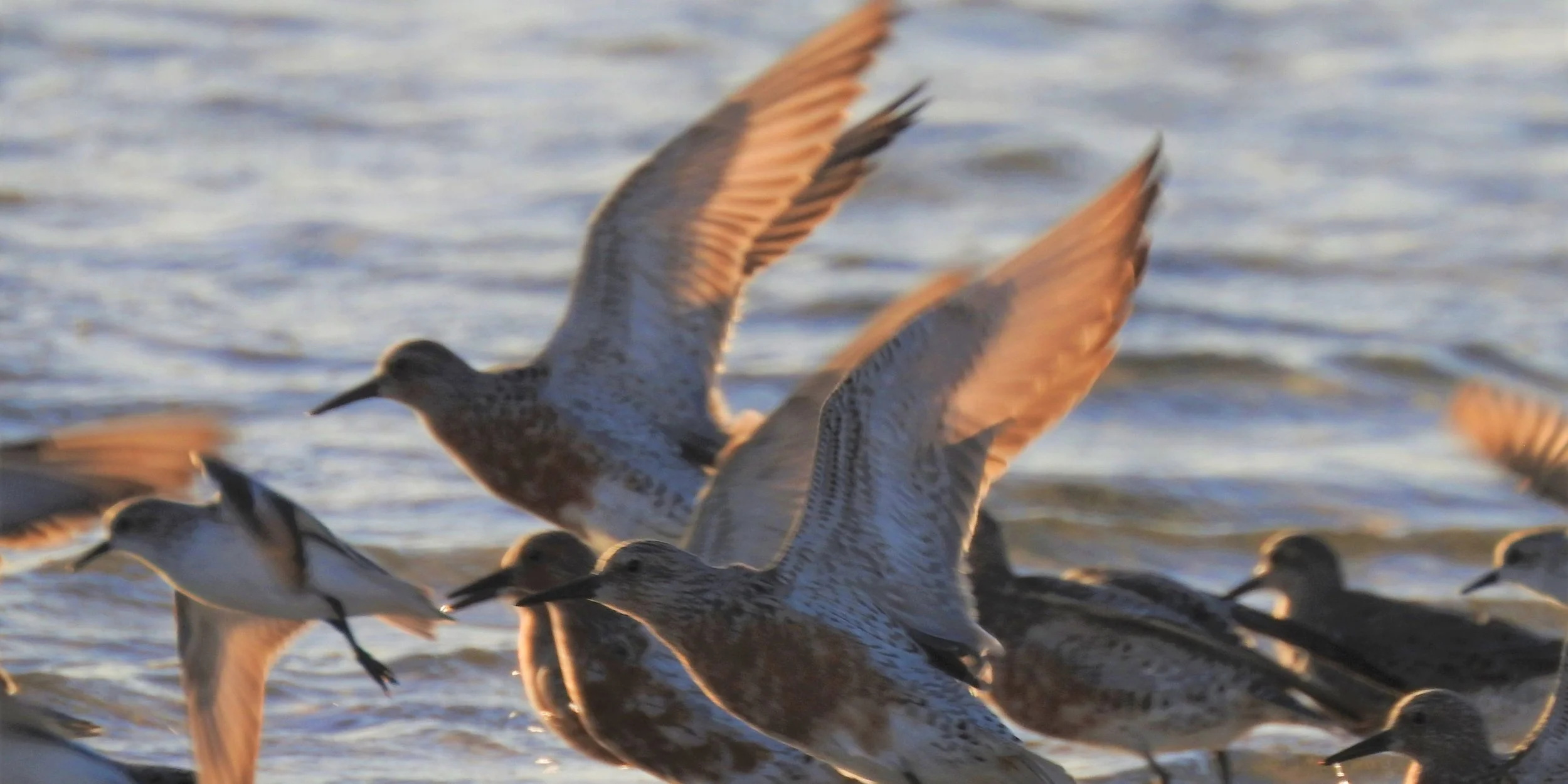
Join us to commemorate the 10-year milestone of the Adelaide International Bird Sanctuary (AIBS), reflect on its achievements, challenges, and evolution, and collaboratively explore its future potential with stakeholders, partners, and the community.
The event will begin with a performance by Bowerbird Collective followed by a forum with guest speakers and panel discussion.
Save St Kilda Mangroves
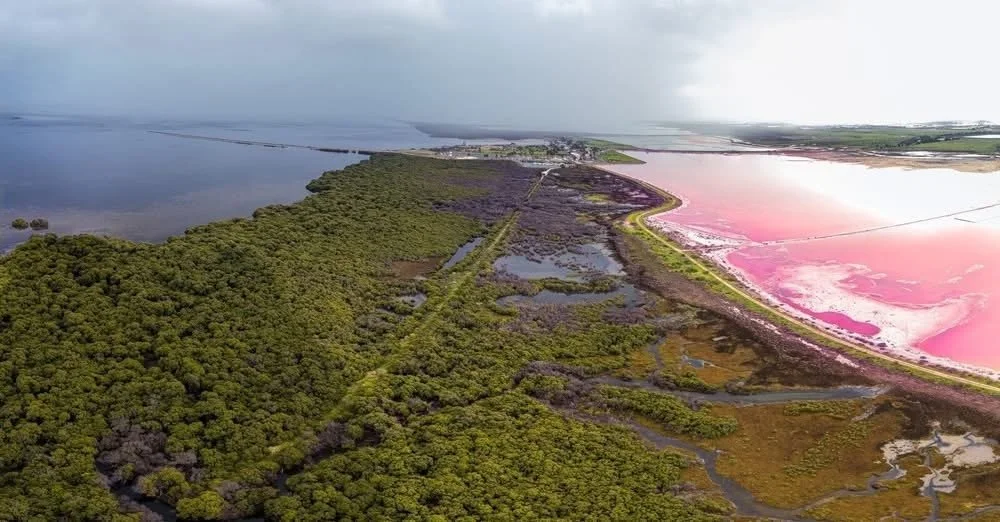
The St Kilda Mangroves Alliance is a powerful coalition of local, national and international organisations and individuals representing environment, industry, science and the community. Together, the Alliance is advocating for a best-practice remediation plan to be urgently developed and implemented to support the recovery and long-term health of this globally significant area.
As a member of the Alliance, we urge you to sign the petition calling on the State Government to urgently consider the available options and begin implementing a long-term plan.
Research undertaken through the Shifting Salts: Future Opportunities for Dry Creek Saltfields project at the University of Adelaide has highlighted the significant potential of saltmarsh restoration. Restoring the saltfields could create one of southern Australia’s largest blue carbon opportunities, while also delivering multiple benefits, including coastal flood mitigation, stormwater detention, improved water quality in Gulf St Vincent, enhanced recreational fishing and new public open space for Adelaide’s rapidly growing northern suburbs.
For more information about the St Kilda Mangroves Alliance, visit the website.
To learn more about the restoration options identified through the Shifting Salts Project, see the project’s Facebook page.
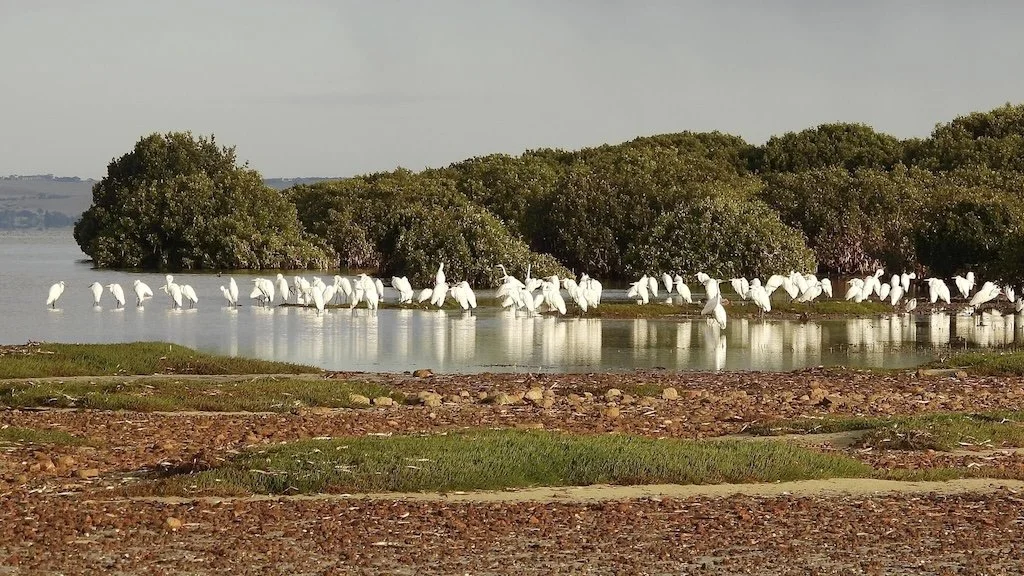
Winaityinaityi Pangkara
The country of the birds
We acknowledge the Kaurna people as the Traditional Owners and custodians of this land and water, and pay respects to their Elders past, present, and emerging, and their continuing cultural and spiritual connection to this country. Kudla yurlu kurrarinthi, to approach, stay, and leave peacefully, guides our interactions with this sacred place.
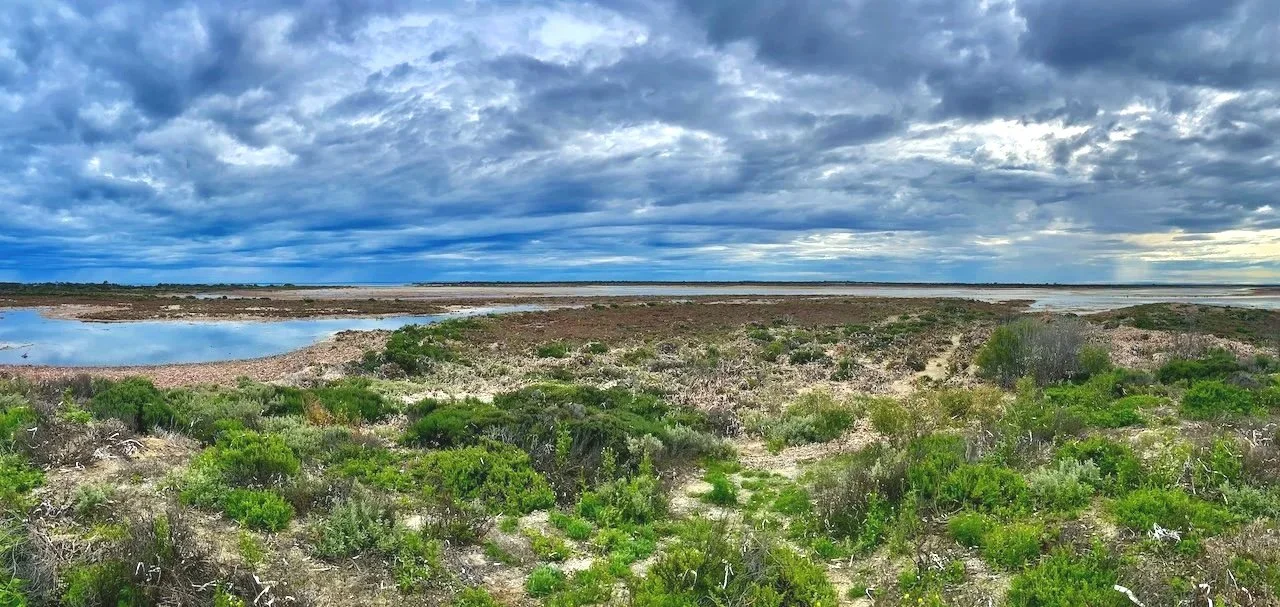
Adelaide International Bird Sanctuary National Park -Winaityinaityi Pangkara
-
The Adelaide International Bird Sanctuary stretches across more than 60 kilometres of coastline north of Adelaide along Gulf St Vincent. Within the sanctuary lies the Adelaide International Bird Sanctuary National Park – Winaityinaityi Pangkara, the country of the birds.
Located at the southern end of the East Asian–Australasian Flyway, the sanctuary is one of Australia’s most important habitats for migratory shorebirds. Each year these amazing birds travel from breeding grounds as far away as Siberia and Alaska, flying nearly 13,000 kilometres, to rest and feed on these tidal flats, wetlands and coastal habitats.
-
Where to visit, what to do, when to go, discover the Adelaide International Bird Sanctuary here.
-
These links take you to the National Parks and Wildlife Service SA- AIBS maps
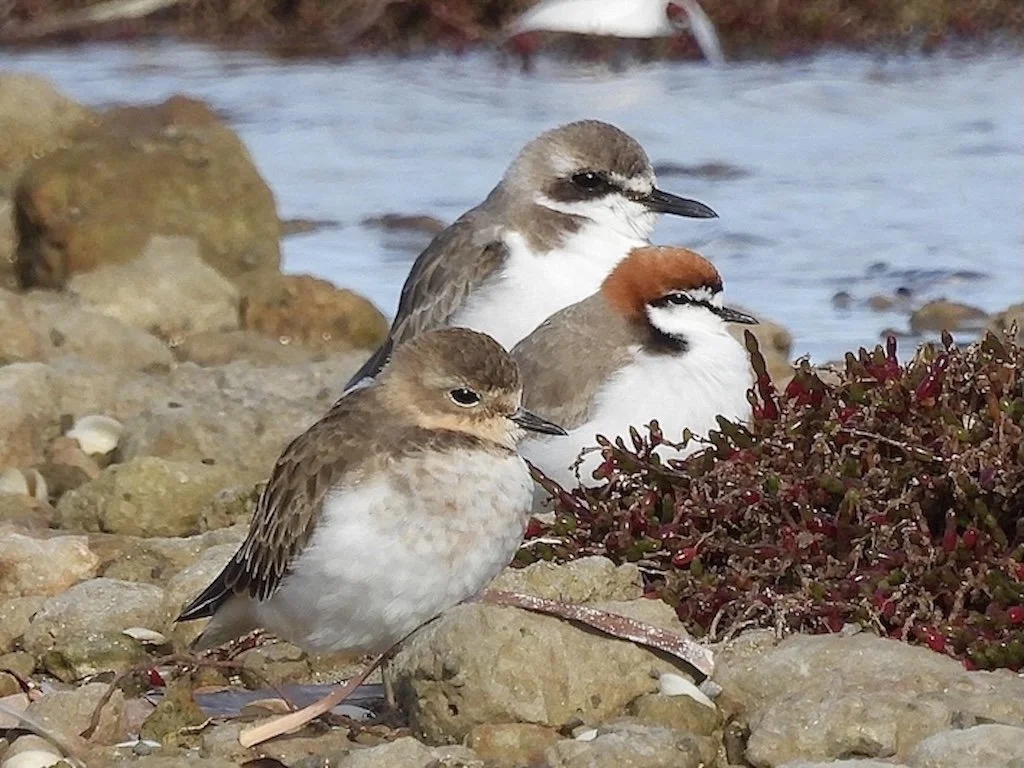
Birds of the sanctuary
-
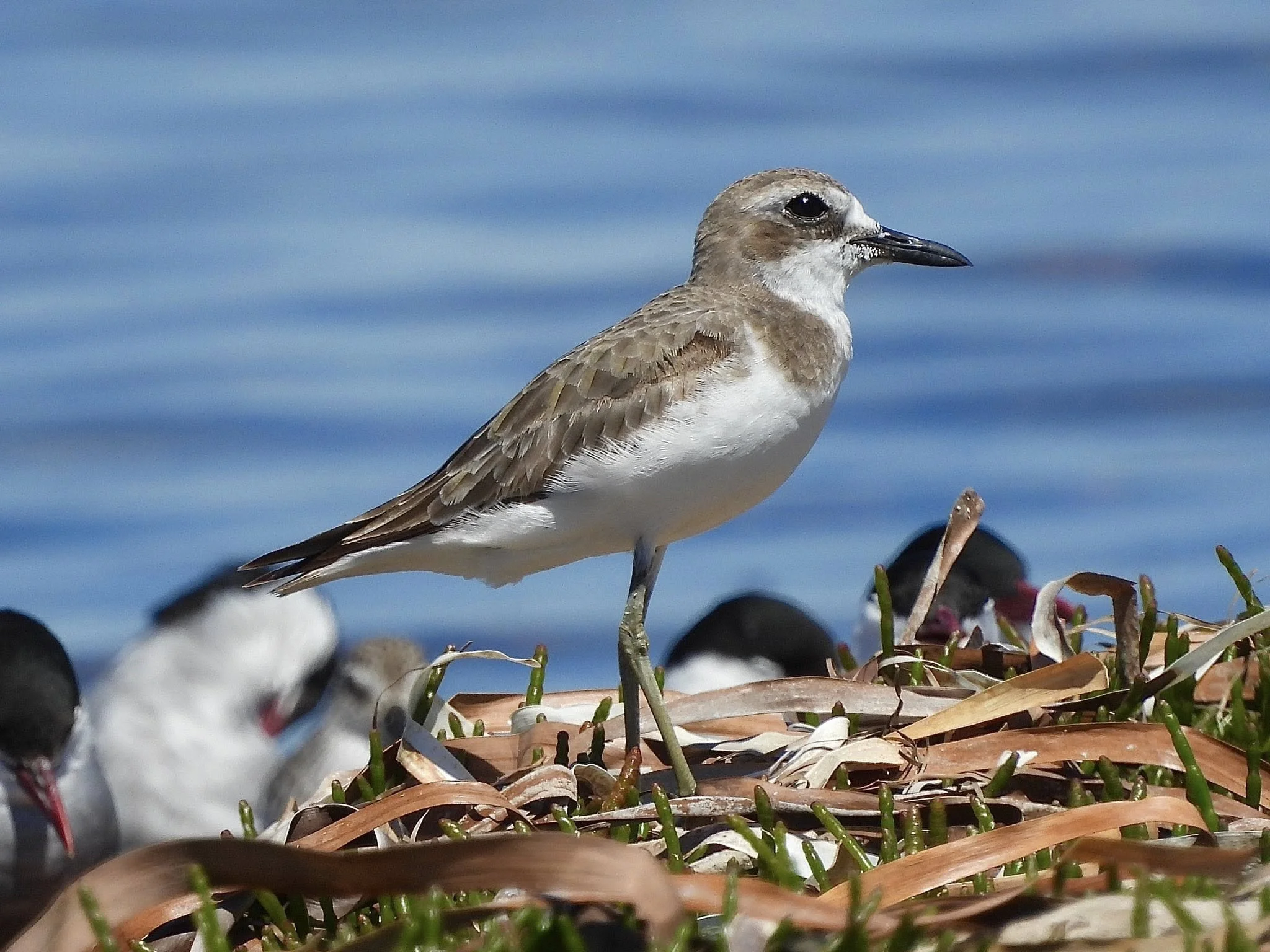
![Double-banded Plover, Greater Sand Plover and Red-capped Plover at Adelaide International Bird Sanctuary]()
Double-banded Plover, Greater Sand Plover and Red-capped Plover
-
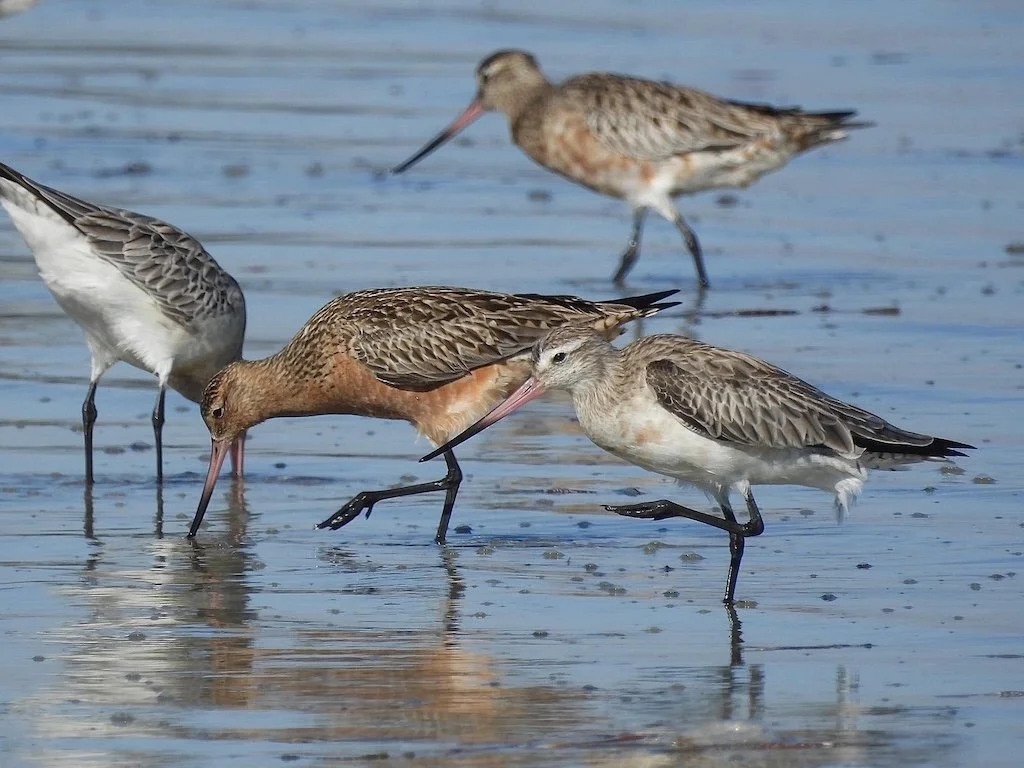
![Bar-tailed Godwits at adelaide international bird sanctuary]()
Bar-tailed Godwits
-
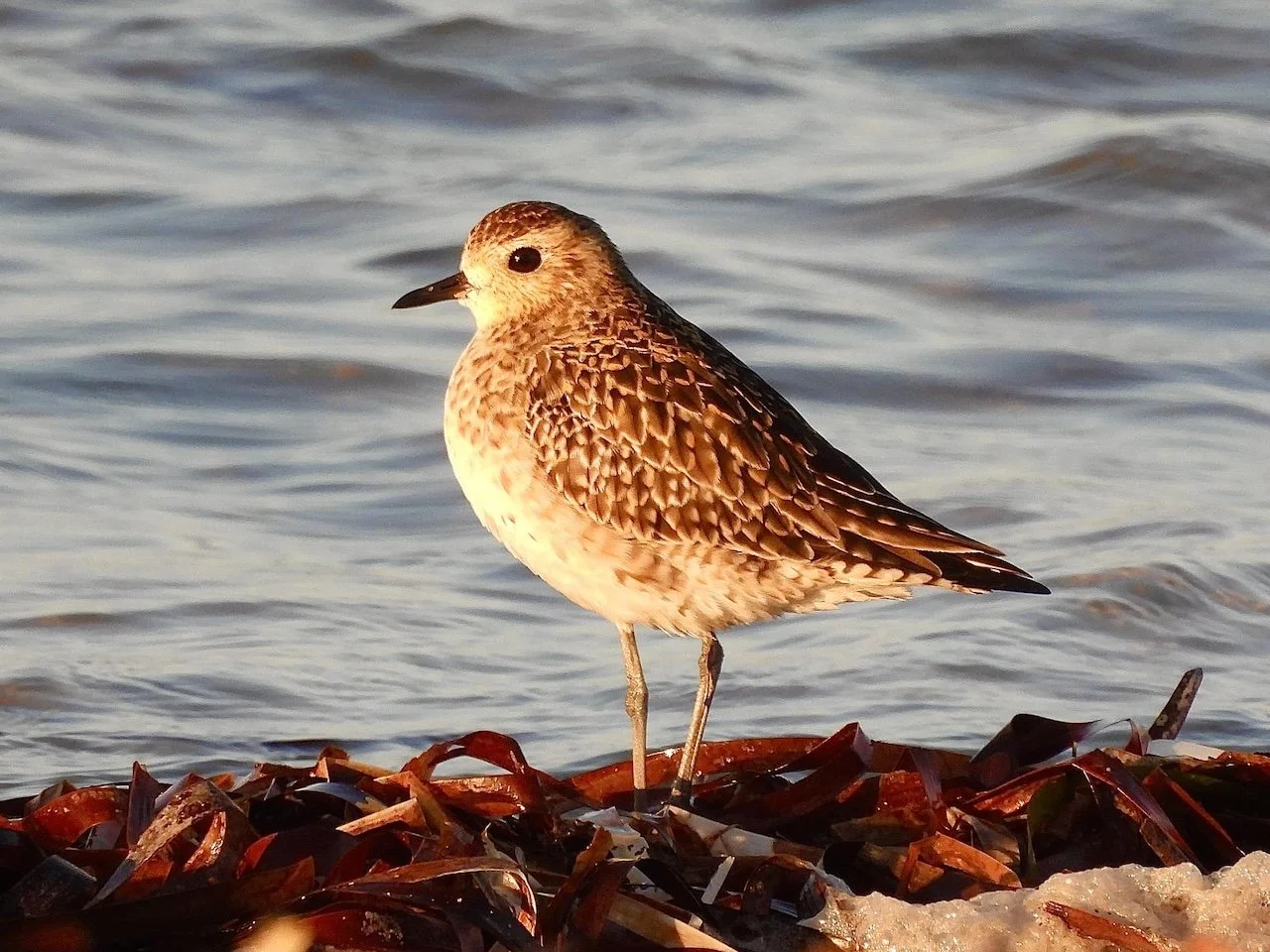
![Pacific golden plover at adealdie international bird sanctuary]()
Pacific Golden Plover
-
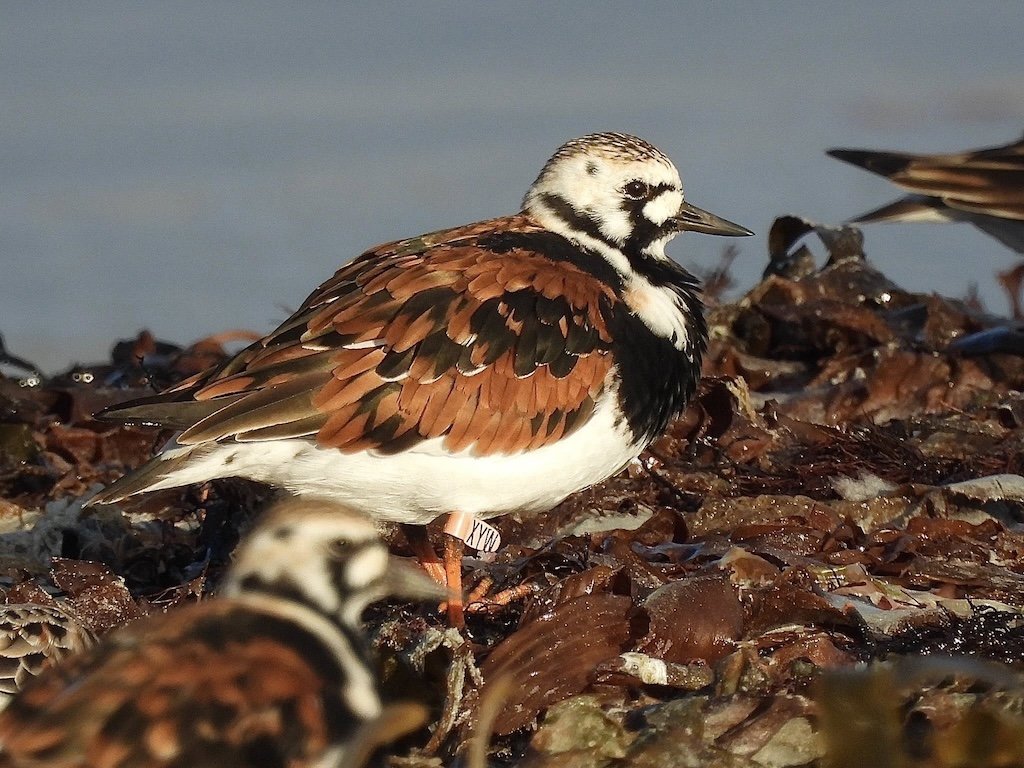
![ruddy turnstone with leg flag XYW]()
Ruddy Turnstone
-
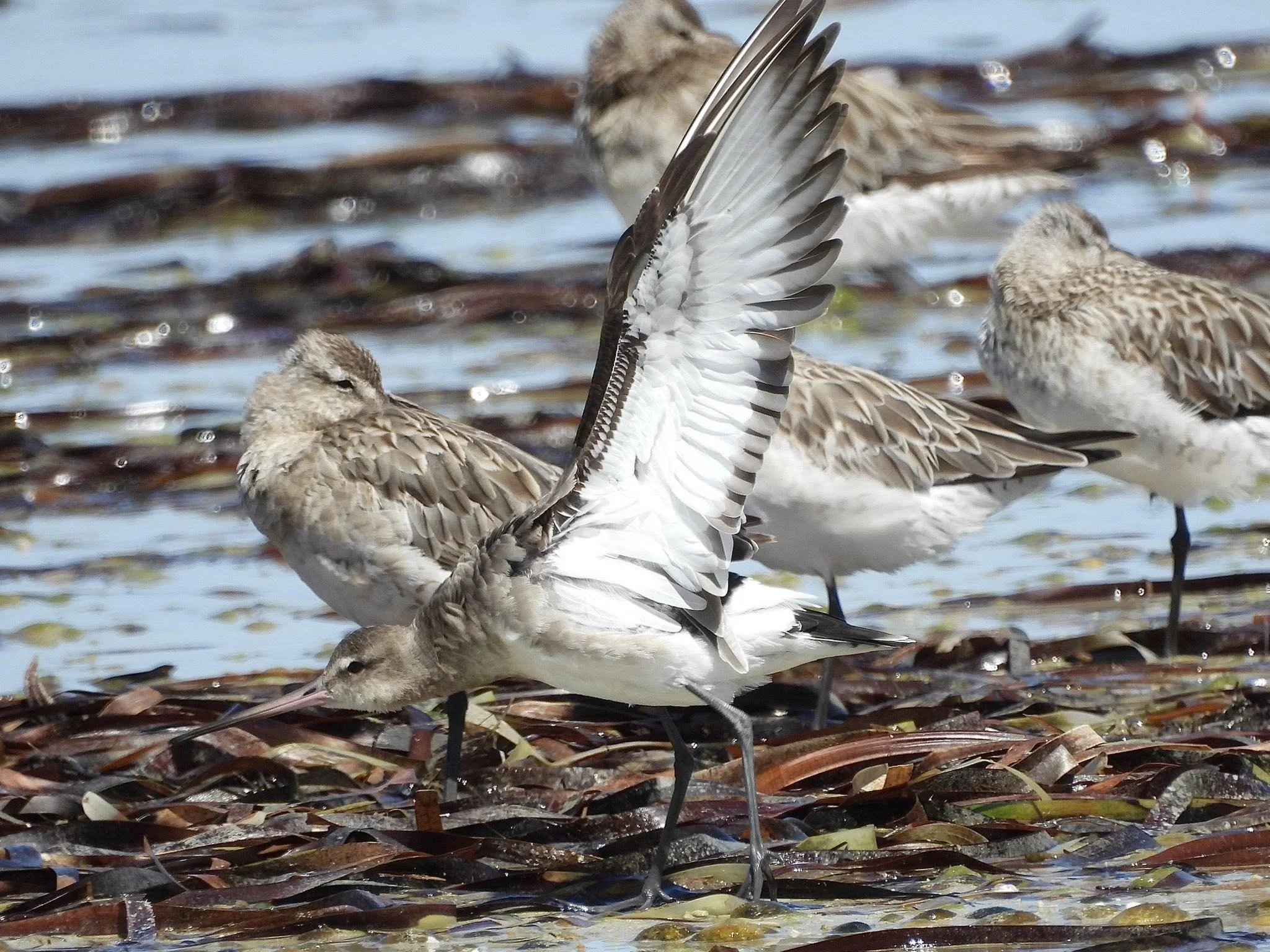
![Black-tailed godwit showing tail]()
Black-tailed Godwit
-
![Greater sand plover at adelaide international bird sanctuary]()
Greater Sand Plover
-
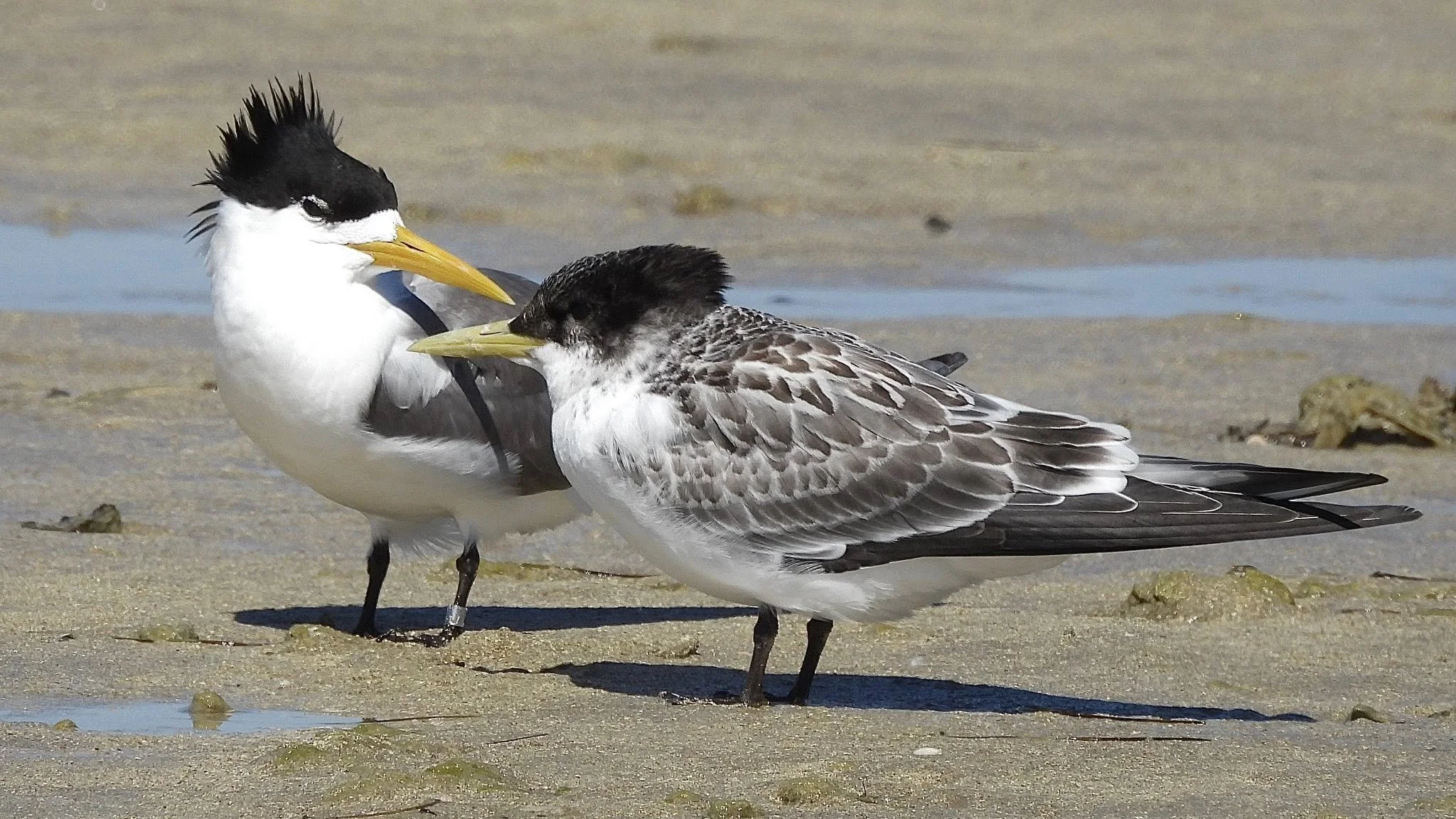
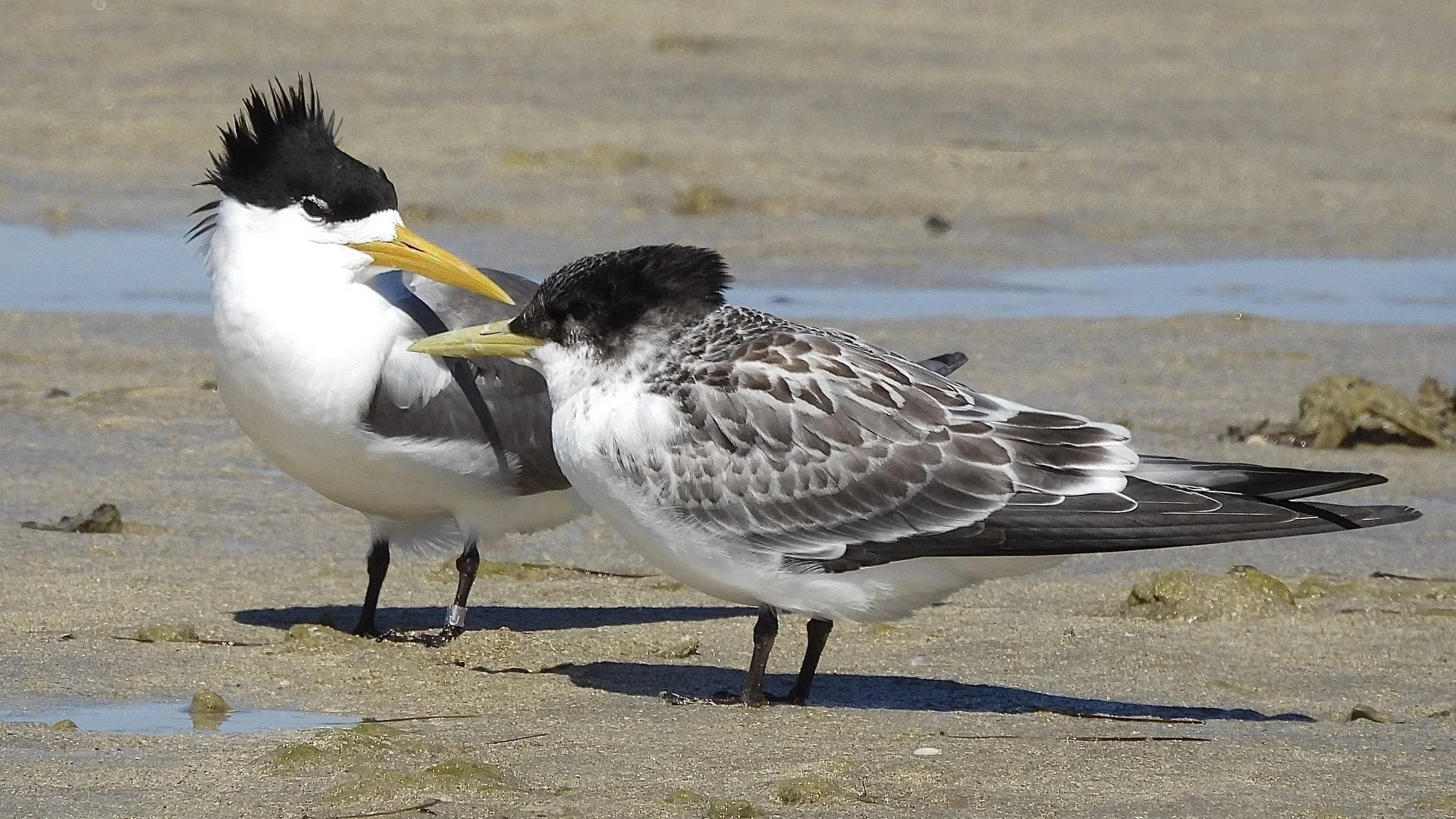
![An adult and a juvenile crested tern]()
Crested Terns
-
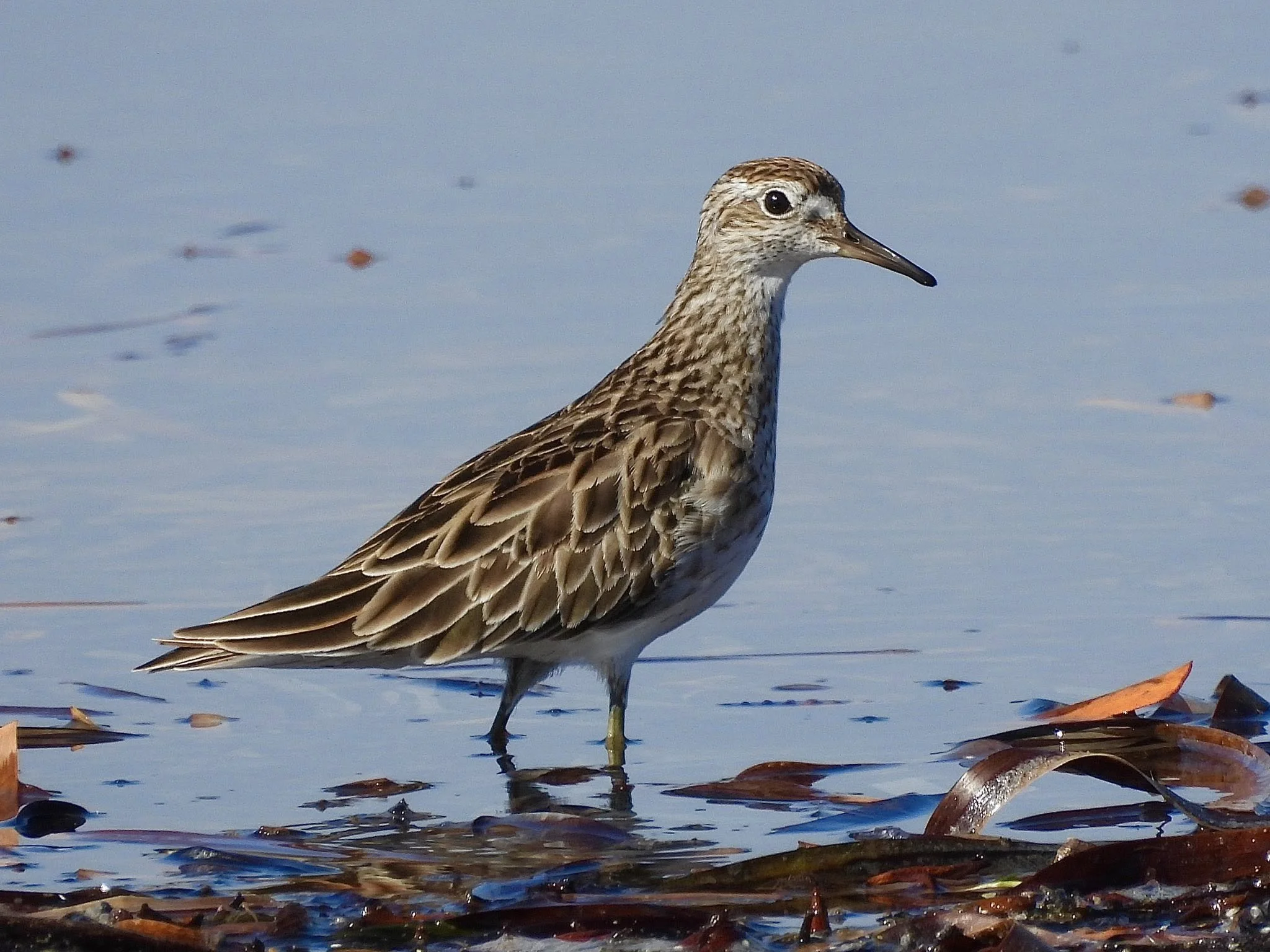
![Sharp-tailed sandpiper at the Adelaide international bird sanctuary]()
Sharp-tailed Sandpiper
-
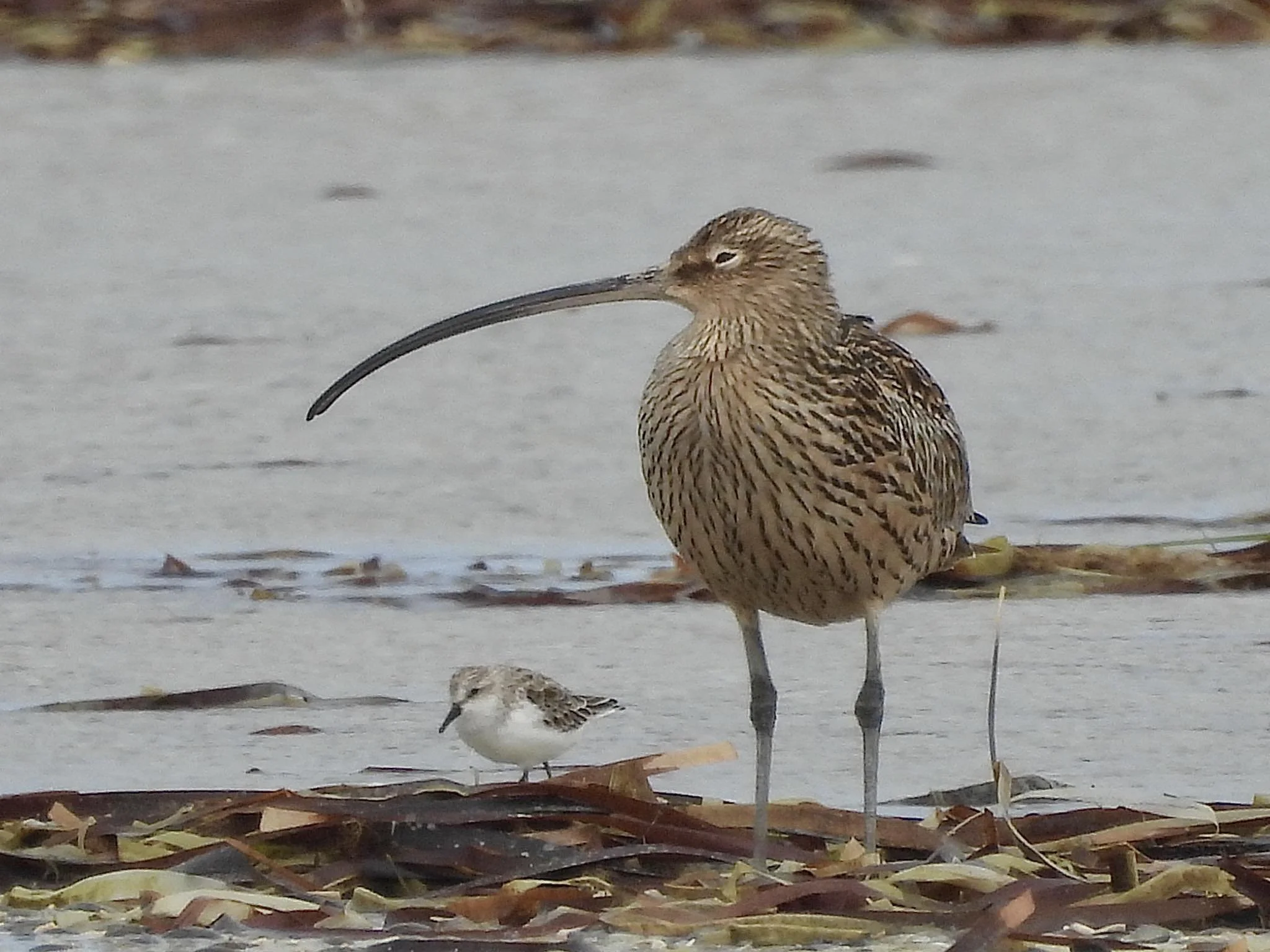
![A siae comparison of a red necked stint and a far eastern curlew]()
Red-necked Stint and Far Eastern Curlew
-
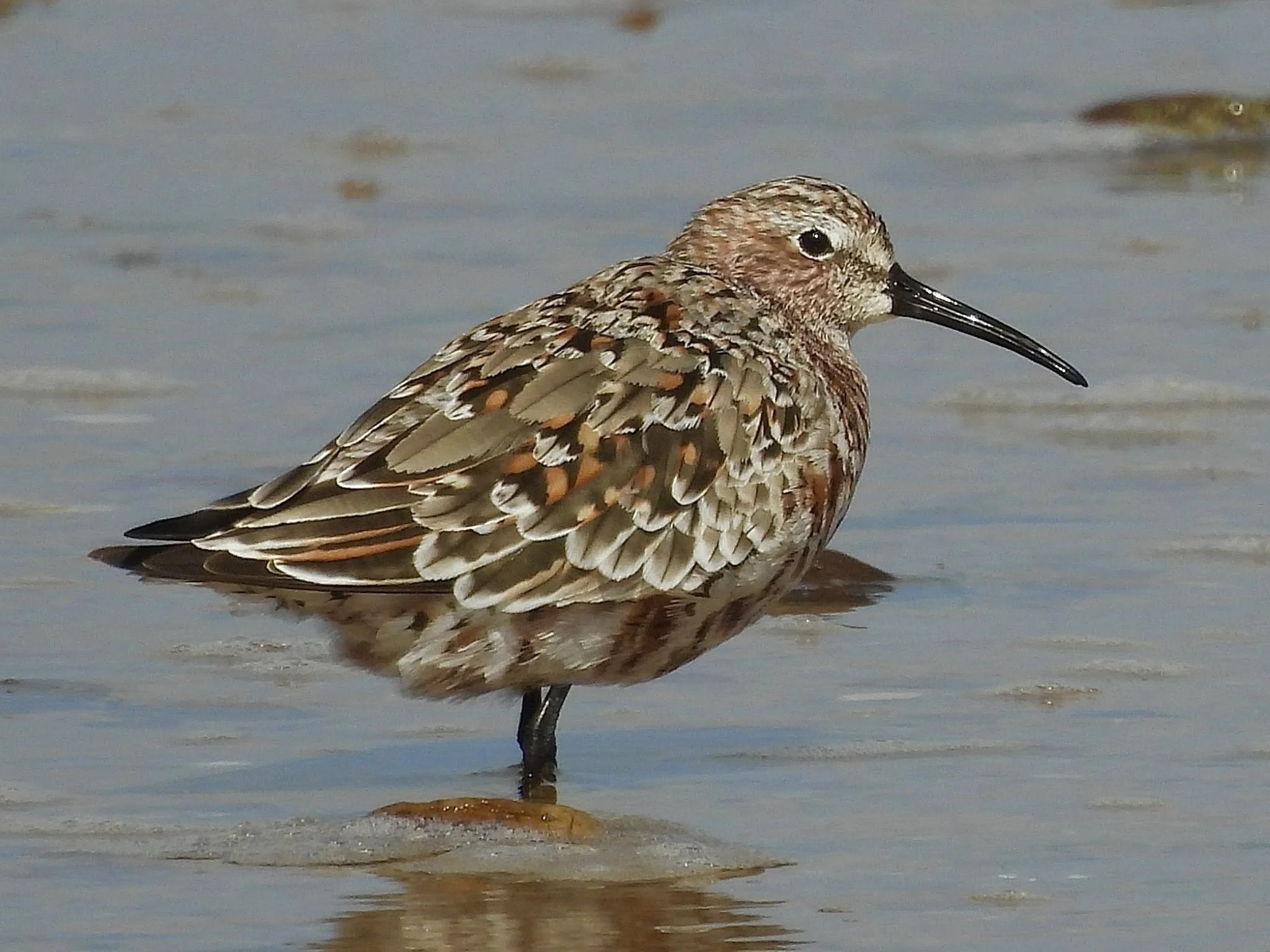
![Curlew Sandpiper showing breeding plumage]()
Curlew Sandpiper
-
![Great Knots on the Adelaide coastline]()
Great Knots
-
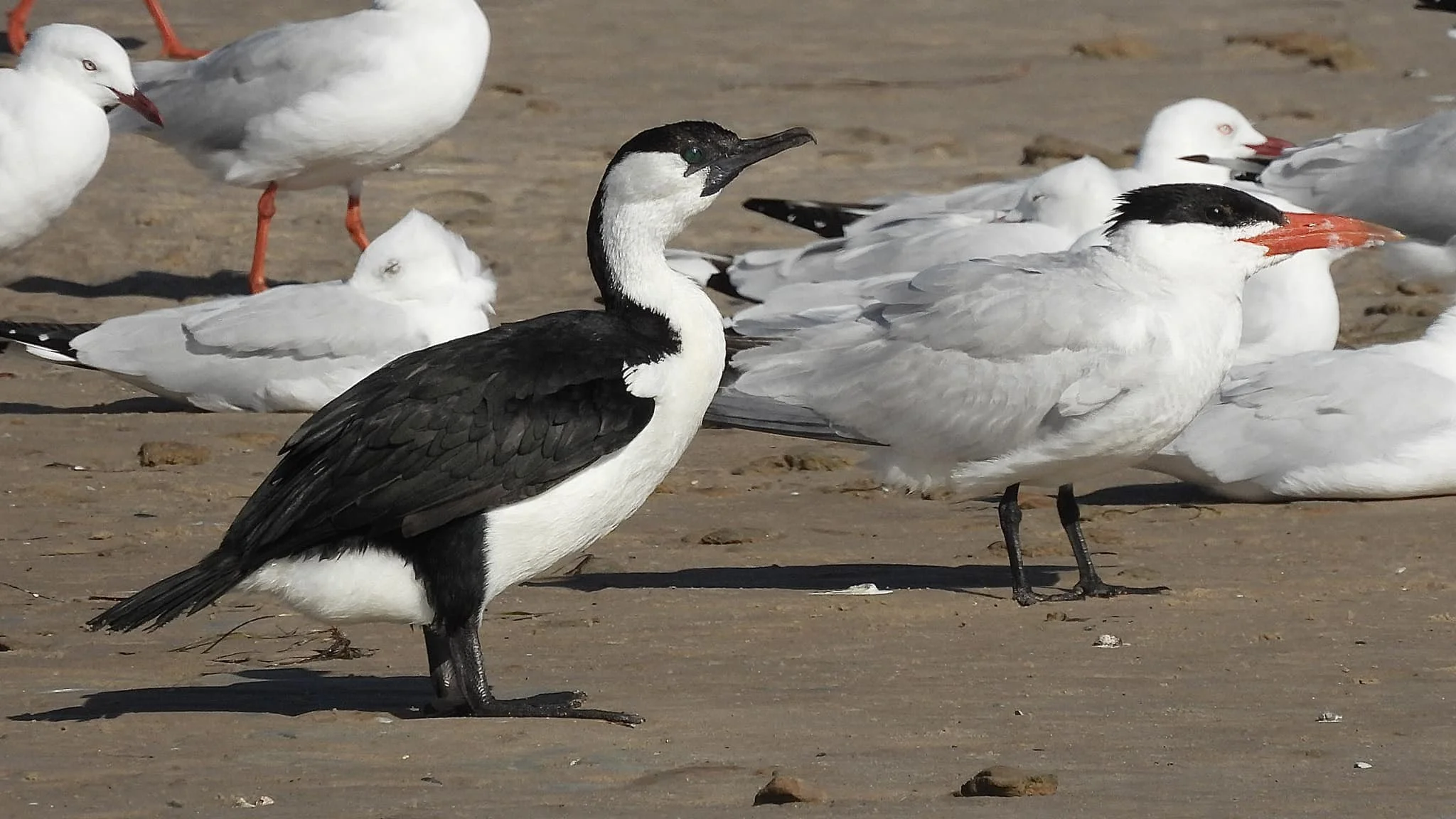
![Black-faced Cormorant in the Adelaide International bird sanctuary]()
Black-faced Cormorant
-
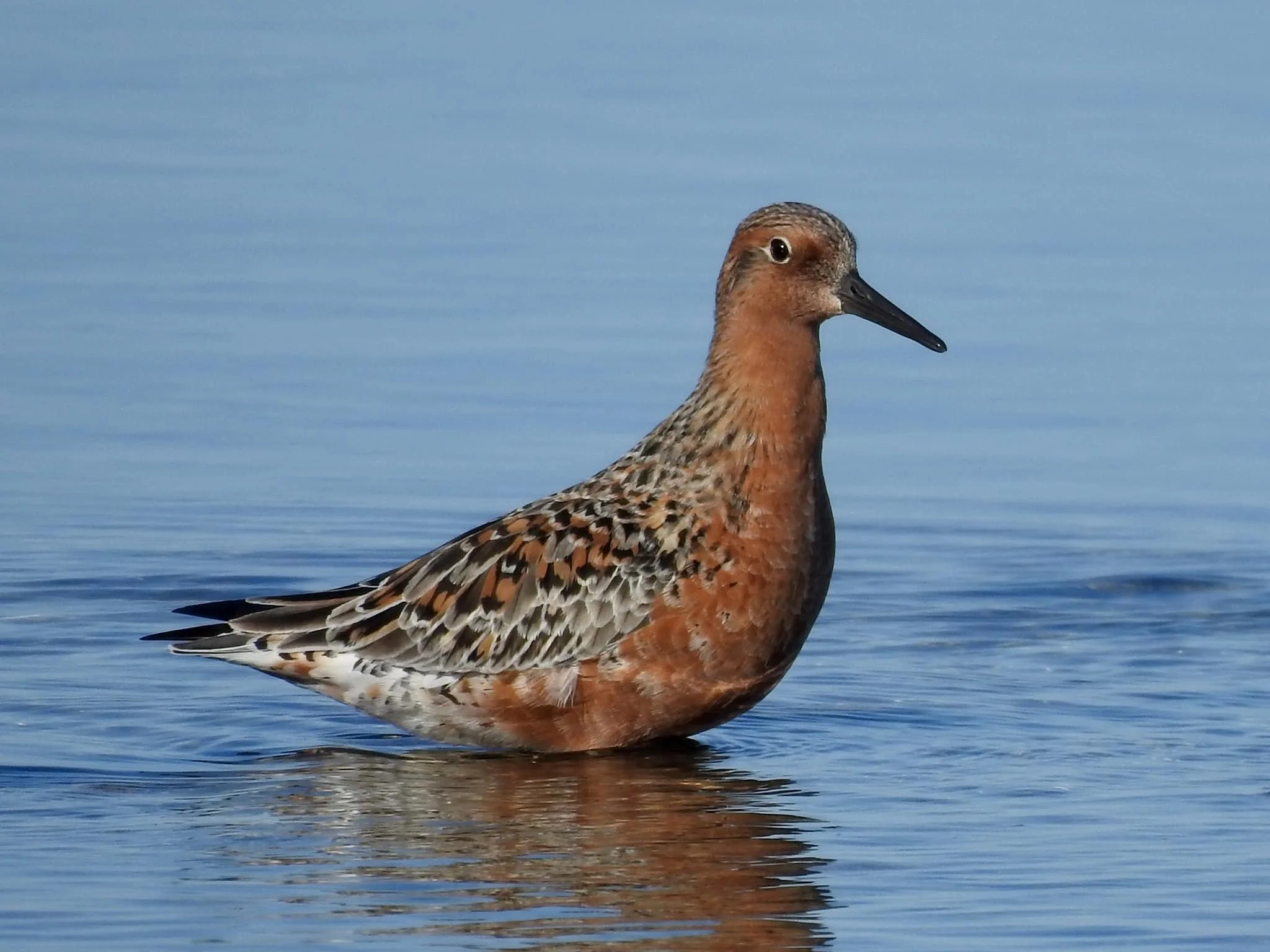
![Red Knot in breeding plumage]()
Red Knot
-
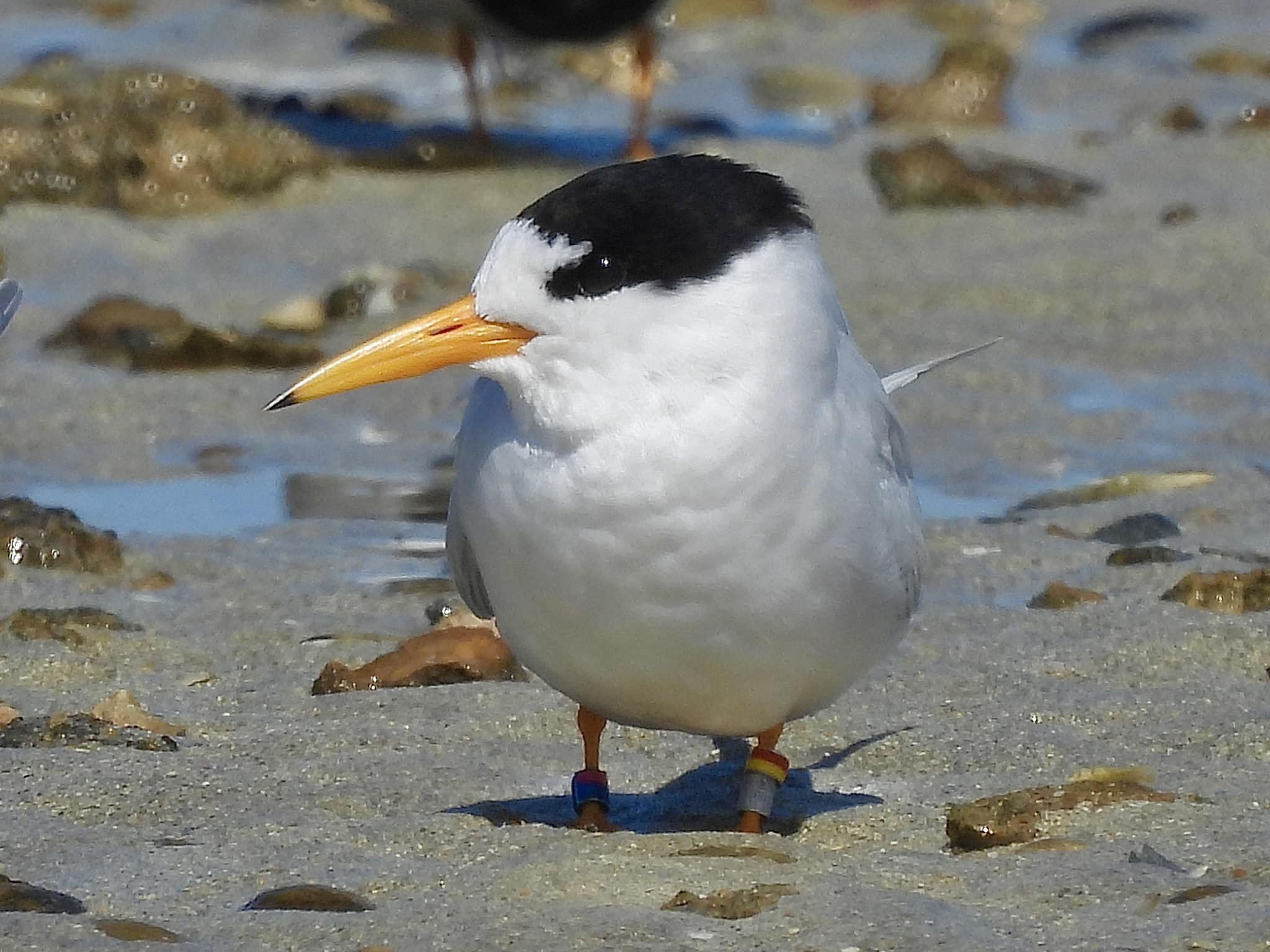
![Fairy Tern with leg bands on the Adelaide shoreline]()
Fairy Tern
-
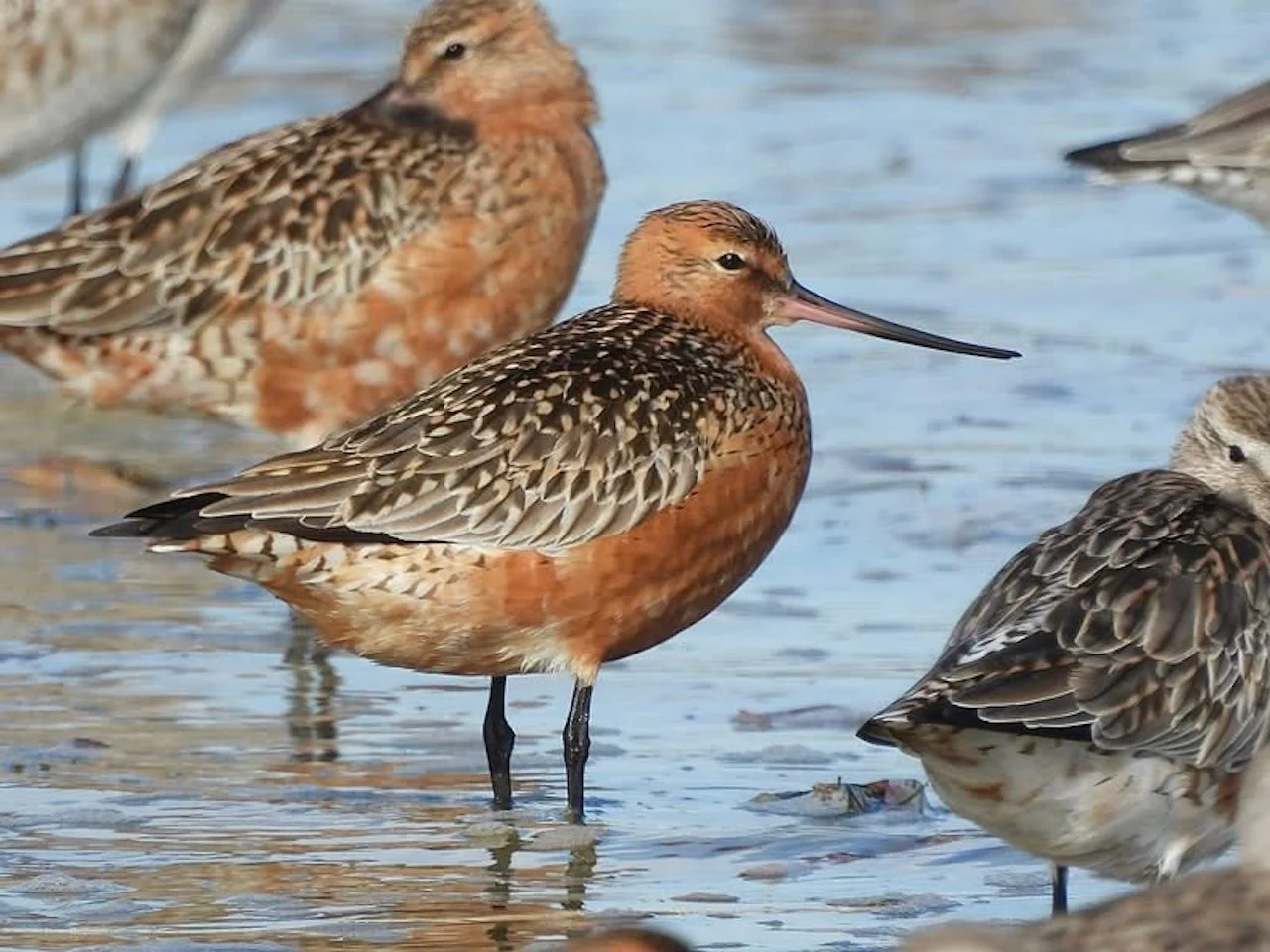
![Bar-tailed Godwits in breeding plumage]()
Bar-tailed Godwit
-
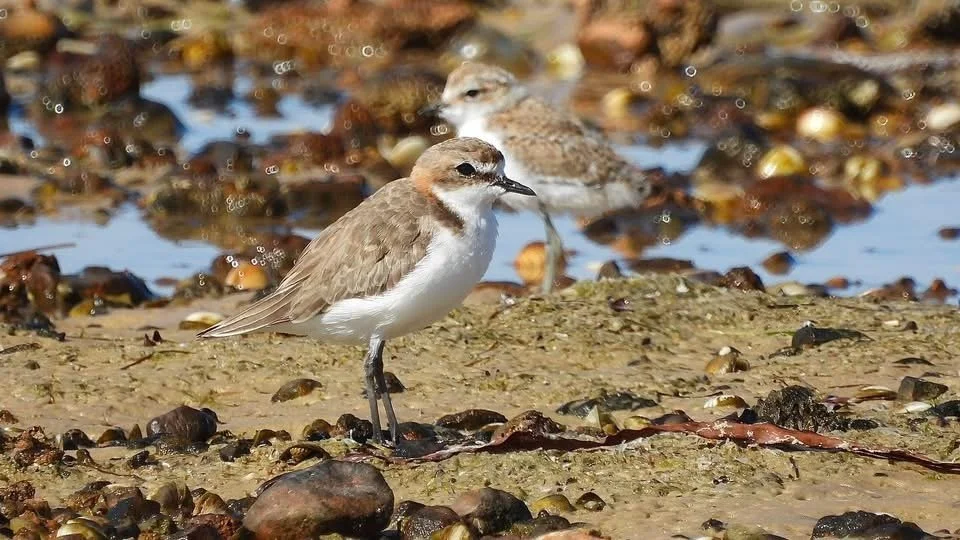
![Red-capped Plover with chick on the Northern Adelaide coastline]()
Red-capped plover with chick
-
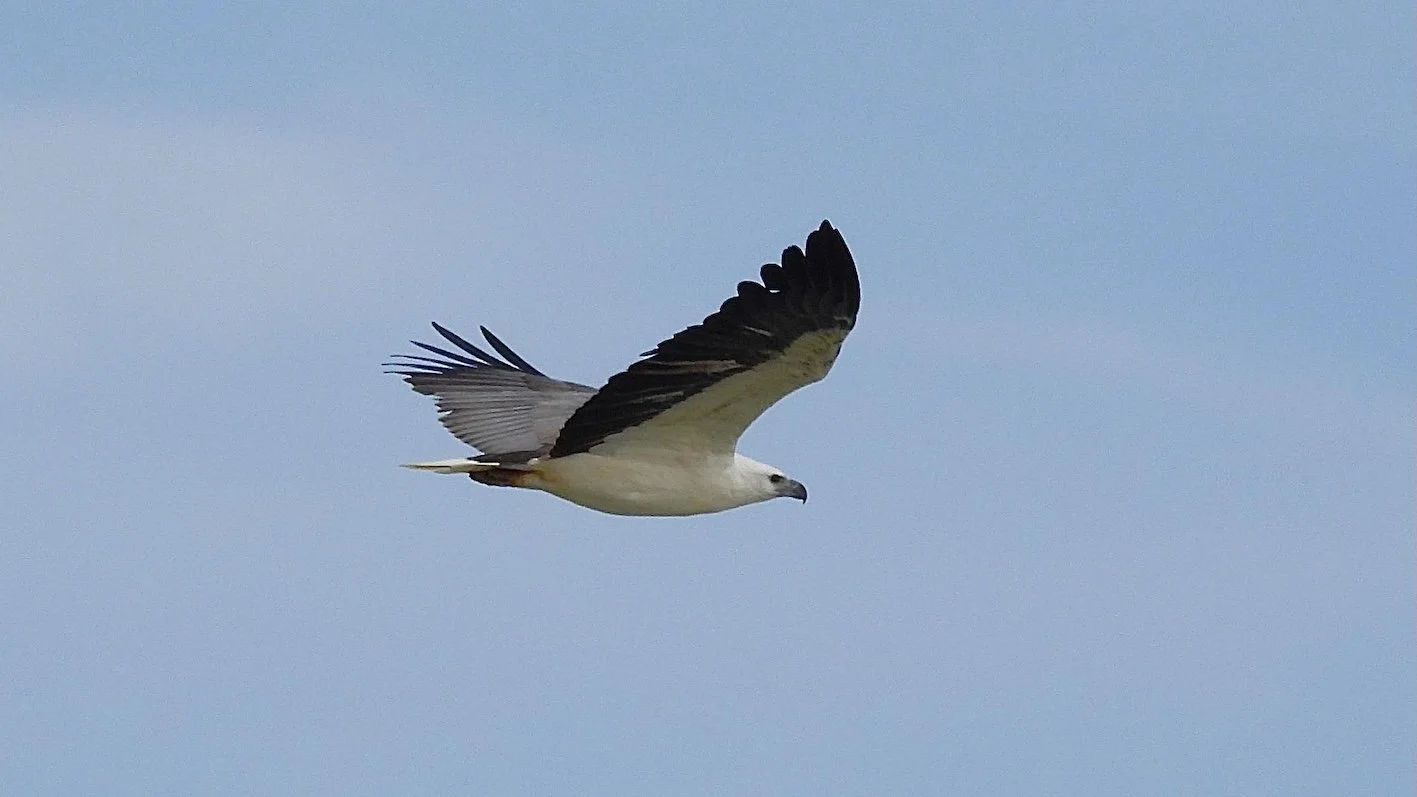
![White-bellied Sea Eagle]()
White-bellied Sea Eagle
-
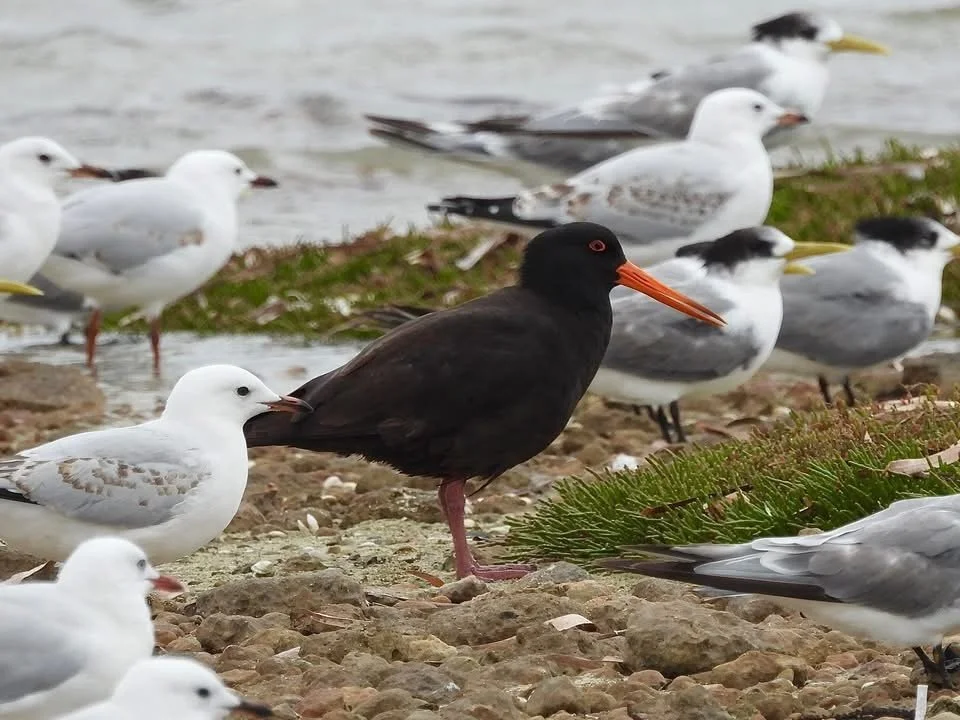
![Sooty Oystercatcher roosting with Silver Gulls and Terns]()
Sooty Oystercatcher
-
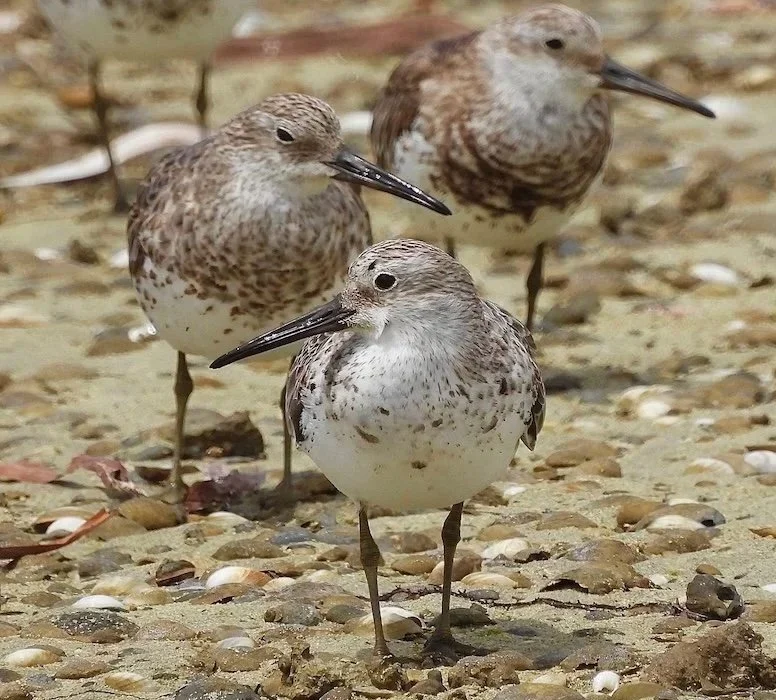
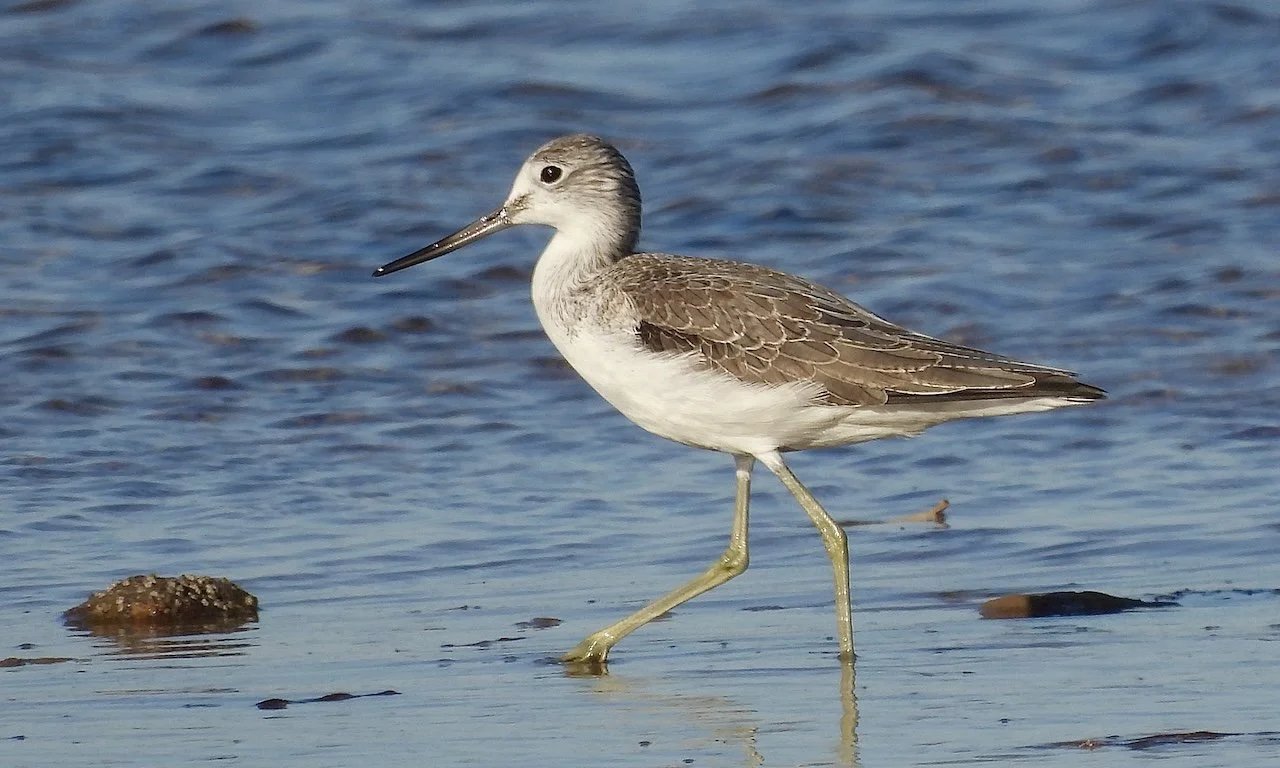
![Common Greenshank]()
Common Greenshank
Volunteer with FAIBS
-
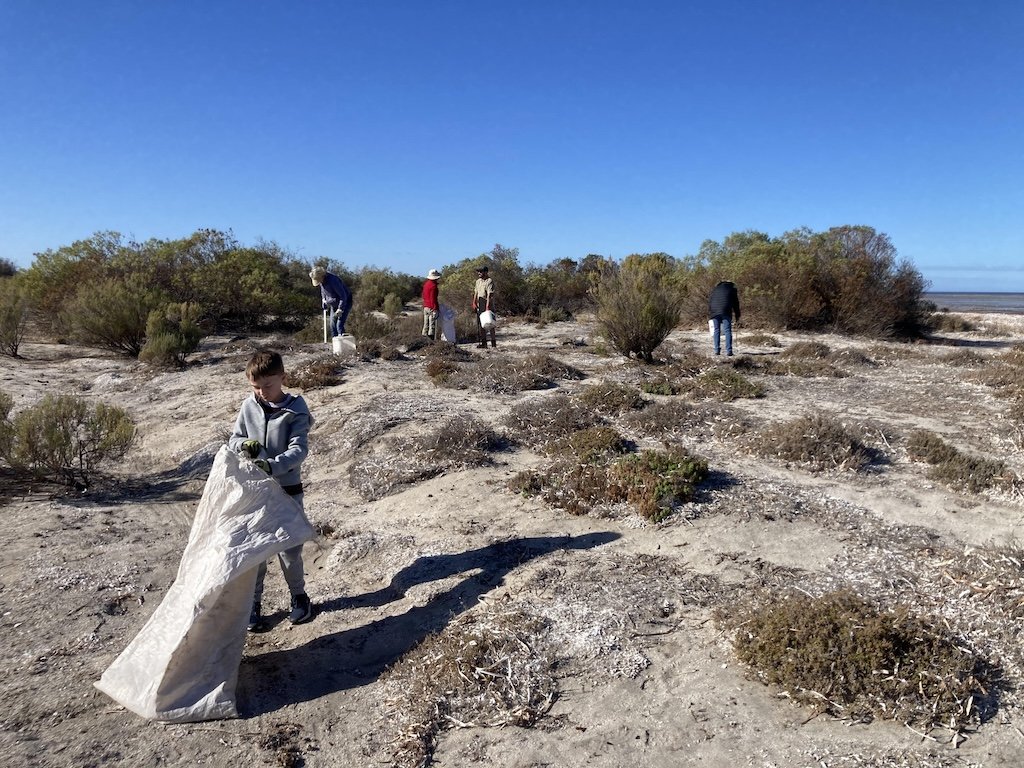
FAIBS hold community events usually on the 3rd Sunday of every month. Events held over winter include planting, direct seeding, de-guarding, weed control, clean-ups and more. When the birds are in residence, (October to April) we host information and identification sessions, providing scopes and binoculars. You dont need to be a member to come along, everyone is welcome.
-
Additional to the FAIBS events are Ranger hosted working bees held, generally, every 2nd Monday morning. This is a small, dedicated group, active in weed control, planting, seeding, clean ups, anything to assist the work of the Adelaide International Bird Sanctuary National Park Rangers, (who also provide morning tea).
H5 bird flu (H5N1 Avian Influenza)
H5 bird flu (H5N1, a strain of highly pathogenic avian influenza) is an infectious disease that can affect wild and farmed birds and other animals. The virus is now in South Australia. H5 bird flu is a nationally notifiable disease meaning if you suspect an animal is showing signs of the disease, you must report it immediately.
Emergency Animal Disease Hotline- save it in your phone
1800 675 888
What you should do if you suspect a wild bird may be infected with H5 bird flu?
-
Avoid contact with sick or dead wildlife and their environment. Observe from a distance, and do not allow dogs to touch or eat sick or dead wildlife.
-
-date and time of the sighting
-the location (address and/or GPS coordinates if possible) where animal was found
-take photos or video if this is possible without approaching the bird
-the estimated number of sick or dead animals and other animals at the site, note any clinical signs that sick animals are showing
-
-Report any unusual illness or death in wild birds and other wildlife immediately via the
Emergency Animal Disease Hotline
1800 675 888.
-
Numerous dead birds in a location, including small groups or clusters (five or more) of wild birds of any species could be a sign that H5 bird flu has infected local populations and should be reported.
Individual dead birds, or fewer than five sick or dead wild birds, should be reported if they are seabirds, waterbirds, shorebirds or birds of prey.
In individual birds, warning signs that should be reported include:
-lack of coordination, tremors, swimming in circles, twisted neck or other abnormal posture, inability to stand or fly, diarrhoea, difficulty breathing, coughing or sneezing
In addition to the hotline, Birdata users are now able to record sick, injured or dead birds within the general Birdata module in the Bird Impact Tracker Feature. Note- this is an anylitical tool to track the impact of H5 bird flu and is not a reporting tool, reporting must be to the Emergency Animal Disease Hotline.
For more information go to:
Watch this webinar hosted by Kate Millar -CEO Birdlife Australia, on the Biodiversity Council website
-
Open google maps app
Find your location (blue dot), zoom in and drop a red pin near the dot (long press)
In the pop up window at the bottom of the screen, go to Near…or Nearby address and tap the arrow for the drop down info. You will see your GPS location. (A long press will copy the numbers so you can paste in Notes or whichever notes app you use)
-
Monitor beaches, wetlands and salt marsh. Go for a daily walk, try going to out of the usual places and look for any signs of sick or dead birds and other animals. Note the clinical signs below and save the hotline number in your phone. Get out there and help protect our shorebirds.
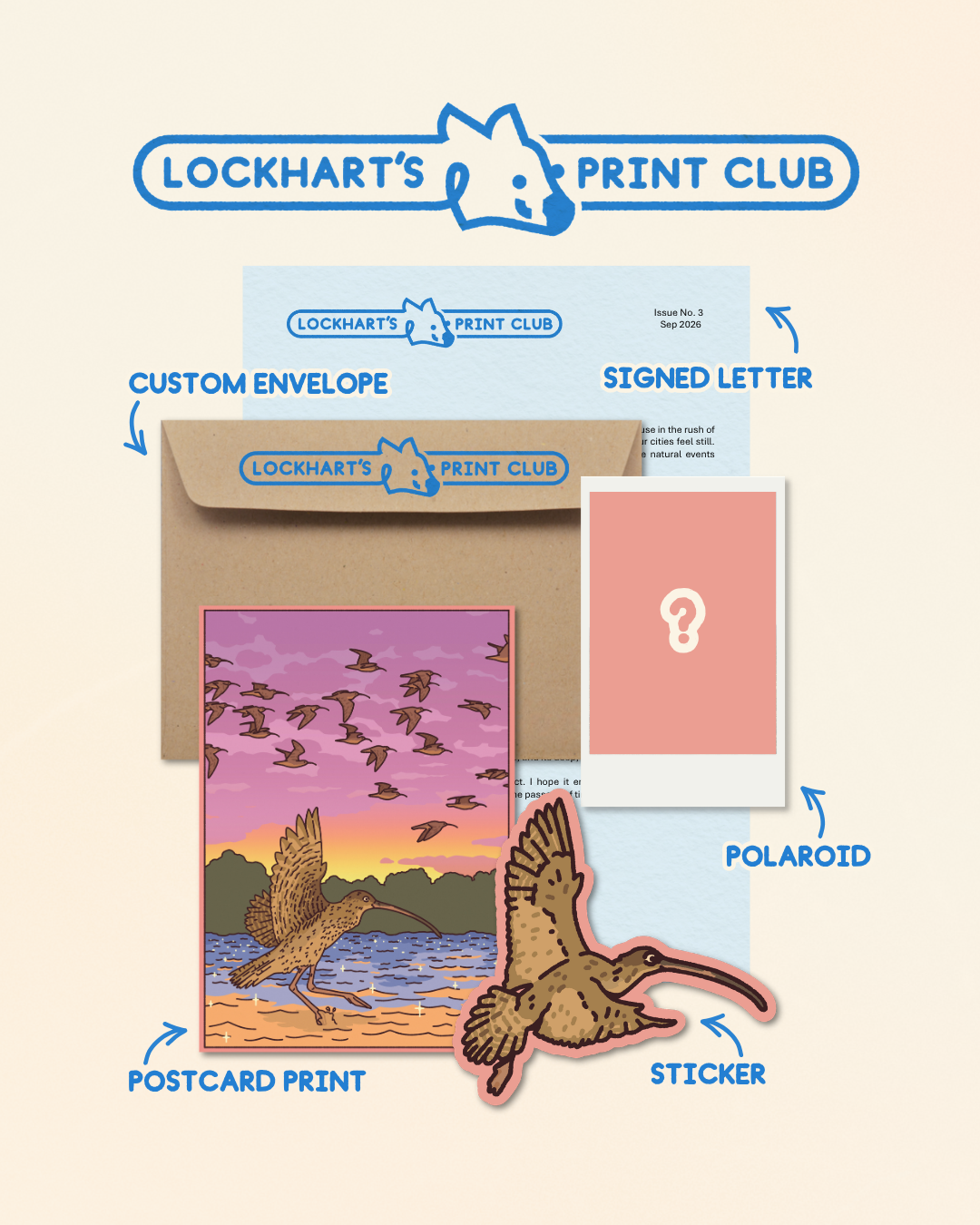
Lockhart’s Print Club
The September issue of Lockhart’s Print Club features this beautiful design of the Far Eastern Curlew, a critically endangered migratory shorebird.
10% of proceeds from this issue will be donated to FAIBS to help strengthen our work in protecting habitat for this incredible bird.
To order your print click here before September 1st. Or join Lockhart’s Print Club and receive a new print, sticker and polaroid each month. For each endangered animal a donation is made to a different grassroots landcare charity.
To learn more about local artist and wildlife enthusiast Lockhart Arasu, click here.